
Heel Pain
Heel pain is one of the most common foot issues, affecting people of all ages and lifestyles. Often frustrating and debilitating, it can disrupt daily activities, limit mobility, and decrease quality of life.
Occasionally, heel pain develops gradually and results from stress on the structures around the heel. Patients can effectively manage and reduce heel pain by understanding the causes, treatment options, and preventive measures.
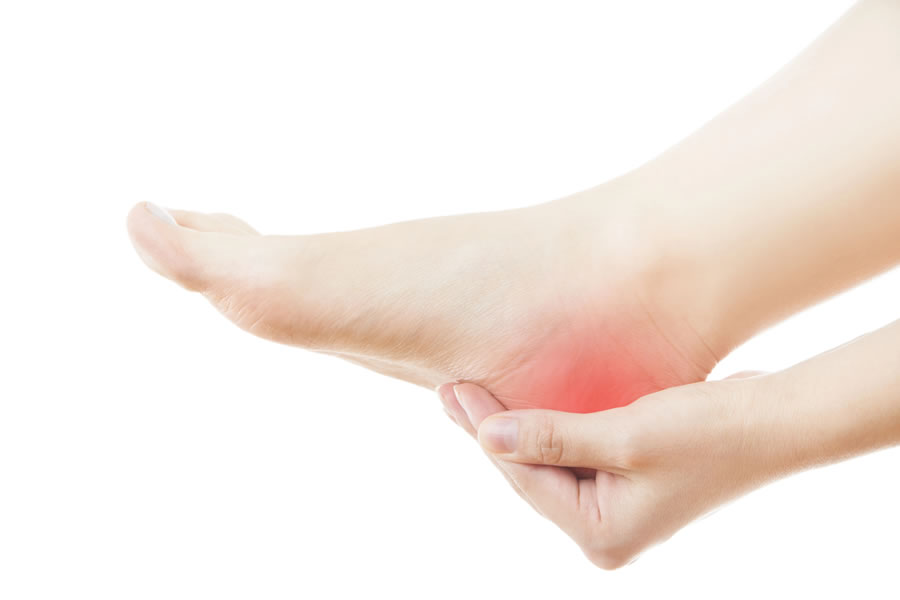

What Causes Heel Pain?
Several conditions can lead to heel pain, each with its own underlying causes and characteristics. The most common causes include:
- Plantar Fasciitis
This is the most frequent cause of heel pain, occurring when the plantar fascia (a thick band of tissue connecting the heel bone to the toes) becomes inflamed. Microtears in the fascia, often due to repetitive strain or poor foot mechanics, result in pain, especially after periods of rest.
- Achilles Tendonitis
This condition involves inflammation of the Achilles tendon, the thick band of tissue connecting the calf muscle to the heel. Achilles tendonitis often develops from overuse, improper footwear, or a sudden increase in physical activity.
- Heel Spurs
A heel spur is a calcium deposit that builds up on the underside of the heel bone. While heel spurs can exist without causing pain, they often accompany plantar fasciitis, leading to tenderness and discomfort in the heel. - Sever’s Disease
Common in children and teenagers, Sever’s disease is a growth plate injury in the heel caused by repetitive stress. It typically affects active youth during growth spurts, especially those involved in high-impact sports.
- Bursitis
Bursae are fluid-filled sacs that reduce friction between tissues in the body. When these sacs near the heel become inflamed, often from excessive pressure or ill-fitting shoes, it can result in heel pain.
- Stress Fractures
A stress fracture is a small crack in the bone that can occur from overuse, particularly in high-impact activities like running or jumping. This condition causes localised heel pain that may worsen with weight-bearing activities.
Symptoms of Heel Pain
Heel pain can manifest in different ways, depending on its cause. Common symptoms include:
- Sharp pain at the bottom or back of the heel
- Stiffness in the heel upon waking or after prolonged sitting
- Swelling and redness around the heel area
- Tenderness to touch
- Pain that increases with activity and may improve with rest
If symptoms persist or worsen, it’s essential to consult a podiatrist for an accurate diagnosis and appropriate treatment plan.
Effective Treatments for Heel Pain
Treatment for heel pain depends on the underlying cause but typically includes a combination of rest, therapeutic exercises, and other supportive measures:
- Rest and Activity Modification
Reducing or avoiding activities that worsen heel pain, such as high-impact sports, can provide relief and give inflamed tissues a chance to heal. - Stretching and Strengthening Exercises
Stretching the plantar fascia, Achilles tendon, and calf muscles helps improve flexibility and reduce tension around the heel. Strengthening the surrounding muscles supports the foot’s natural movement and reduces strain. - Orthotic Devices and Footwear
Custom orthotics, arch supports, and heel cups can be beneficial in redistributing pressure on the foot, providing cushioning, and improving foot alignment. Wearing supportive footwear with a firm sole and adequate heel cushioning can also reduce heel pain. - Physical Therapy
Physical therapy combines targeted exercises, stretches, and sometimes modalities like ultrasound to aid in pain relief and rehabilitation. A physical therapist can provide a personalised plan to address the underlying cause of heel pain. - Anti-Inflammatory Medications
Over-the-counter anti-inflammatory medications can help reduce pain and inflammation in the short term. However, it’s essential to use them under guidance, especially if the pain is chronic. - Dry Needling and Corticosteroid Injections
For persistent cases, dry needling can target trigger points in the heel and calf muscles, promoting muscle relaxation and pain relief. Alternatively, corticosteroid injections can provide temporary relief by reducing inflammation, though they are typically used sparingly. - Surgery (in Rare Cases)
Surgery is rarely needed for heel pain but may be recommended in severe cases where conservative treatments fail. Procedures can include plantar fascia release or removal of a heel spur, depending on the condition. We will refer you to a surgeon for these procedures.
When to See a Podiatrist
If heel pain persists for more than a few weeks or begins to affect your ability to walk comfortably, it’s time to see a podiatrist. Early intervention can prevent further complications and speed up recovery.
Preventing Heel Pain
Prevention is often the best approach, especially for active individuals or those with a history of heel pain. Here are some preventive measures:
- Wear Supportive Footwear:
Shoes with good arch support, cushioning, and a slight heel can help reduce strain on the heel. - Warm-Up and Stretch:
Take time to stretch the calf muscles, Achilles tendon, and plantar fascia before engaging in physical activity. - Maintain a Healthy Weight:
Excess weight can increase stress on the heel and foot, contributing to conditions like plantar fasciitis. - Use Orthotics if Needed:
Custom or over-the-counter orthotics can help distribute weight more evenly and support foot alignment. - Avoid Prolonged Standing:
If your daily routine involves long periods of standing, take breaks to rest your feet and perform gentle stretches to keep the muscles relaxed.