
Corns and Their Treatments
What Are Corns and How Do They Develop?
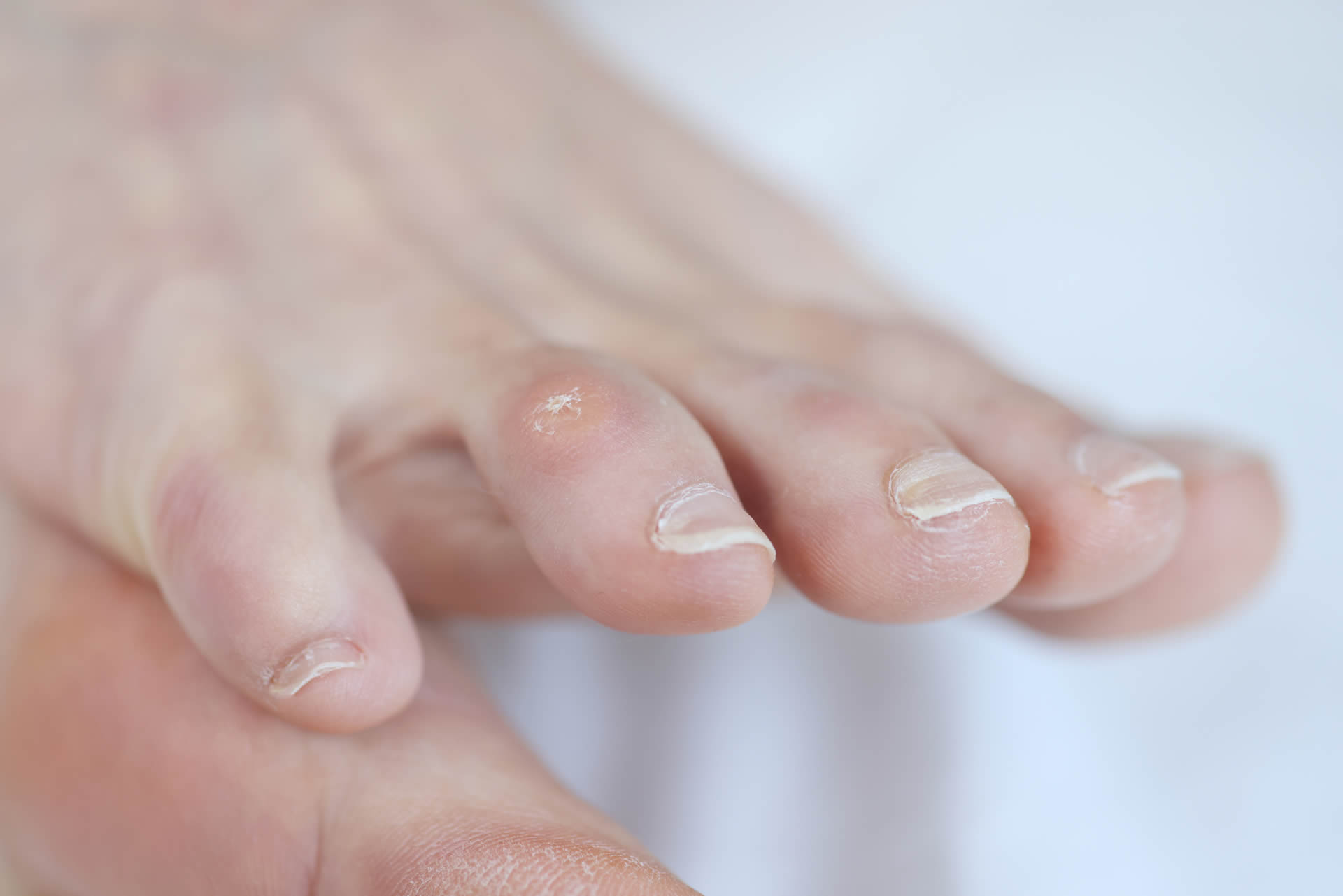
Corns are a common foot ailment characterised by hardened, thickened areas of skin that form due to repeated pressure or friction. They typically appear on the toes or other parts of the feet where the skin rubs against shoes or other surfaces. Corns are often confused with calluses, but they tend to be smaller, more defined, and usually have a central core that can cause discomfort or pain.
Corns develop as the body’s natural response to protect the underlying skin from injury. When skin is subjected to continuous pressure or friction, it thickens and hardens to form a protective barrier. Over time, this can lead to the formation of a corn, especially if the pressure is localised to a small area.

Types of Corns: Hard, Soft, and Seed
There are Three Primary Types of Corns
- Hard Corns: These are the most common type and usually appear on the tops and sides of toes. Hard corns are small, concentrated areas of thickened skin with a dense core. They are often caused by pressure from tight or ill-fitting shoes.
- Soft Corns: Soft corns are more pliable and tend to form between the toes, where the skin is moist from sweat. They often have a white, rubbery texture and can be particularly painful due to the constant moisture and friction between the toes.
- Seed Corns: Seed corns are smaller and often appear on the bottom of the feet. Unlike hard or soft corns, seed corns are usually painless and can be linked to dry skin or other dermatological conditions.
Symptoms of Corns: What to Watch Out For
The primary symptom of a corn is a small, round, hardened bump on the foot, often surrounded by inflamed skin. Other common symptoms include:
- Pain or tenderness: Especially when pressure is applied to the affected area.
- Thickened skin: The skin around the corn may feel rough and dense.
- Discomfort while walking: Corns can cause difficulty when wearing shoes or standing for long periods.
- Changes in gait: Severe corns may cause a person to alter their walking pattern to avoid pain, potentially leading to other issues such as joint or back pain.
What Causes Corns?
Corns are primarily caused by excessive pressure or friction on the skin, often due to:
- Ill-fitting shoes: Tight shoes or high heels can squeeze the toes and increase pressure on certain areas of the foot, leading to corn formation.
- Toe deformities: Conditions like hammertoe or bunions can cause abnormal pressure points on the feet, resulting in corns.
- Repetitive activities: Activities that involve repetitive motion, such as running or certain sports, can increase the likelihood of developing corns.
- Walking barefoot: Lack of proper footwear can lead to the development of corns, especially in individuals who frequently walk barefoot on rough surfaces.
Diagnosis: How are Corns Identified?
A podiatrist can easily diagnose corns during a physical examination. The diagnosis involves assessing the appearance and location of the thickened skin and determining the underlying cause of the pressure or friction. In some cases, the podiatrist may perform additional tests to rule out other conditions such as warts, cysts, or even infections, which can sometimes resemble corns.
Treatment Options for Corns
The treatment of corns focuses on relieving pain and removing the thickened skin while addressing the underlying cause to prevent recurrence. Several options are available:
1. Self-Care and Home Remedies
- Soaking the feet: Soaking the affected foot in warm, soapy water for 10-15 minutes can soften the corn and make it easier to remove dead skin.
- Pumice stone: After soaking, gently rubbing the corn with a pumice stone can help to gradually reduce its size. It’s important to do this cautiously to avoid damaging the surrounding skin.
- Moisturisers: Applying a moisturizing lotion daily can help prevent dryness and reduce the likelihood of corns forming.
- Corn pads: Over-the-counter corn pads can cushion the affected area and relieve pressure. These pads are available in various shapes and sizes to fit different parts of the foot.
2. Medical Treatments
- Salicylic acid: Available in over-the-counter creams, gels, and patches, salicylic acid helps to soften and break down the thickened skin of a corn. However, it’s important to use these products as directed and avoid them if you have diabetes or poor circulation.
- Trimming by a podiatrist: In more severe cases, a podiatrist can carefully trim away the thickened skin using a scalpel. This should only be done by a professional to avoid complications.
- Orthotic devices: Custom orthotic insoles can redistribute pressure on the feet, preventing the formation of corns. These are particularly useful for individuals with foot deformities or abnormal gait patterns.
3. Surgical Intervention
- Surgery: In rare cases, when conservative treatments fail, and the corn is due to an underlying structural problem, surgical intervention may be necessary. This could involve correcting bone alignment or removing the bony prominence that’s causing the corn.
Preventing Corns: Tips for Healthy Feet
Prevention is key when it comes to managing corns. Here are some tips to help keep your feet healthy and corn-free:
- Choose the right footwear: Wear shoes that fit well and provide adequate support. Avoid shoes with pointed toes or high heels, which can increase pressure on your toes.
- Use protective padding: If certain activities cause excessive pressure on your feet, use padding or cushioning to protect vulnerable areas.
- Keep your feet clean and moisturised: Regular foot hygiene and moisturizing can prevent dry skin and the development of seed corns.
- Address foot deformities: If you have conditions like hammertoe or bunions, seek treatment to correct the deformity and reduce the risk of corns.
When to See a Podiatrist
While many corns can be managed at home, it’s important to consult a podiatrist if:
- The corn becomes extremely painful or inflamed.
- There’s no improvement with home treatment.
- You have diabetes, circulatory issues, or other conditions that could complicate corn treatment.
- You notice signs of infection, such as redness, swelling, or pus.
Corns are a common but preventable foot problem that can cause significant discomfort if left untreated. By understanding the causes, symptoms, and treatment options, you can take steps to protect your feet and maintain their health. If you’re struggling with persistent corns, don’t hesitate to seek professional advice to ensure you receive the appropriate care.
At Coiscéim Foot Clinic, we provide expert care for corns and other foot conditions. Our experienced podiatrists are dedicated to helping you maintain healthy, pain-free feet. Contact us today to schedule a consultation.