
Ingrown Toenails
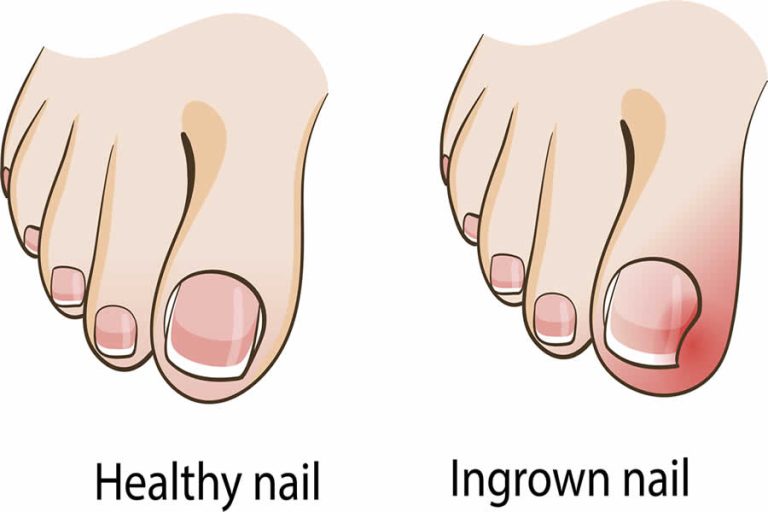
An ingrown toenail, medically known as onychocryptosis, occurs when the edge or corner of a toenail grows into the surrounding skin, causing pain, swelling, and sometimes infection. This common condition can affect anyone but is especially prevalent among those who wear tight shoes, cut their nails too short, or have a natural tendency for nails to curve.
Ingrown toenails (IGTN) are a common and painful condition, particularly affecting teenagers. At Coiscéim Foot Clinic, we offer tailored treatments to relieve discomfort and promote healthy nail growth.
What Causes Ingrown Toenails?
Several factors contribute to the development of ingrown toenails, including:
- Improper Nail Trimming
- Cutting toenails too short or rounding the edges encourages the nail to grow into the surrounding skin. It’s recommended to trim nails straight across to avoid this issue.
- Footwear Choices
- Wearing tight or ill-fitting shoes puts pressure on the toes, pushing the nail into the skin. High heels, pointed shoes, or any shoe that squeezes the toes together can contribute to ingrown toenails.
- Injury or Trauma
- Injuries to the toe, such as stubbing or dropping something heavy on it, can change the nail’s growth direction, increasing the risk of an ingrown nail.
- Genetics
- Some people have a genetic predisposition to developing ingrown toenails due to the natural shape or curvature of their nails.
- Foot Hygiene
- Moist environments or inadequate foot hygiene can soften the skin around the nails, making it easier for the nail to penetrate.
Symptoms of an Ingrown Toenail
Common symptoms of an ingrown toenail include:
- Pain and tenderness along one or both sides of the affected toenail.
- Redness and swelling around the nail edge.
- Infection, marked by increased swelling, warmth, and sometimes pus if the nail breaks the skin.
If left untreated, an ingrown toenail can progress, causing increased pain and even leading to severe infection, especially in individuals with diabetes or poor circulation.
Treatment Options for Ingrown Toenails
Fortunately, several effective treatment options are available for ingrown toenails. The best approach depends on the severity of the condition.
1. Home Remedies for Mild Cases
- Warm Salt Water Soaks: Soaking the affected foot in warm, salted water helps reduce swelling and ease discomfort. A 15-20 minute soak a few times a day can be beneficial.
- Apply Antibacterial Cream: To reduce the risk of infection, apply an over-the-counter antibacterial cream and keep the toe covered with a clean bandage.
- Wear Open-Toed or Loose Shoes: This can relieve pressure on the toe, allowing it to heal more comfortably.
2. Professional Podiatry Treatments
- Partial Nail Removal: In cases where the nail continues to grow into the skin, a podiatrist may remove part of the nail to provide immediate relief. This minor procedure is typically done under local anaesthesia.
- Total Nail Removal: For chronic or severe cases, complete nail removal might be recommended. This allows the nail to regrow with less chance of becoming ingrown.
- Nail Bracing: A non-invasive option, nail bracing involves placing a medical-grade brace over the nail, helping it grow out correctly without penetrating the skin.
3. Preventive Measures for Recurring Issues
- In cases of recurring ingrown toenails, podiatrists may offer permanent nail solutions, such as removing a section of the nail bed to prevent regrowth in that area. This option is usually considered only if other treatments are unsuccessful.
Preventing Ingrown Toenails
Preventive care is essential, especially for those prone to ingrown toenails. Here are some tips to help avoid future issues:
- Trim Nails Properly: Always cut toenails straight across, leaving them long enough to cover the toe but not extend beyond it.
- Choose Comfortable Footwear: Wear shoes with a wide toe box that doesn’t squeeze or press on the toes.
- Practice Good Foot Hygiene: Wash and dry feet thoroughly to prevent softening of the skin around the nails.
- Wear Protective Shoes When Needed: If you engage in activities with a risk of toe injuries, such as heavy lifting, wear shoes with toe protection.
When to See a Podiatrist
While mild cases of ingrown toenails may be manageable with home care, it’s advisable to consult a podiatrist if:
- The pain and swelling do not improve after a few days of self-care.
- The area shows signs of infection, such as increased redness, warmth, or pus.
- You have diabetes, poor circulation, or any underlying condition that affects foot health.
Early intervention can prevent complications, and a podiatrist can recommend the most suitable treatment based on your condition.