
Fungal Nails
Understanding Fungal Nails and Their Treatment
Fungal nail infections, also known as onychomycosis, are a common condition that can affect the appearance, texture, and overall health of your nails. While often seen as a cosmetic issue, fungal nails can lead to discomfort and more serious complications if left untreated.
At Coiscéim Foot Clinic, we offer comprehensive treatments to restore the health and appearance of your nails, helping you regain confidence and comfort.
What Are Fungal Nails?
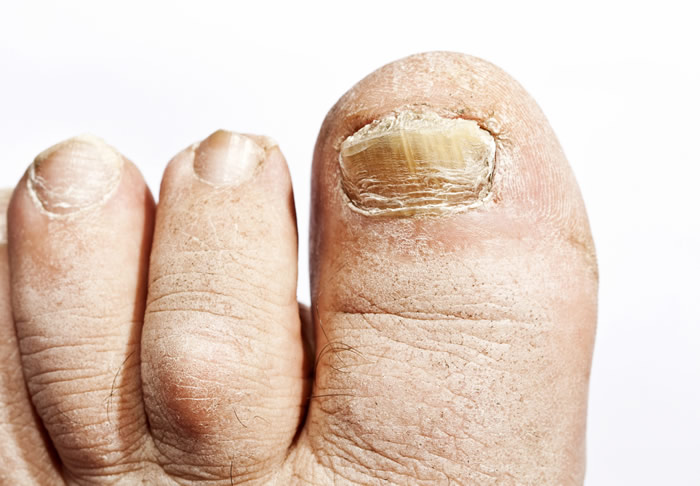
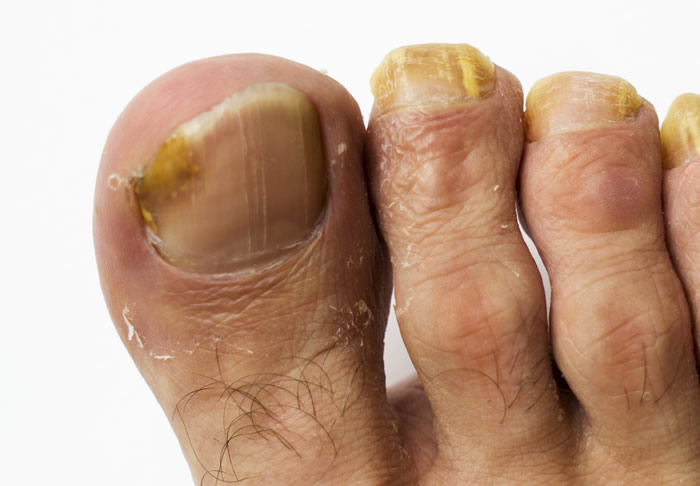
Fungal nail infections occur when fungi, such as dermatophytes, yeasts, or moulds, invade the nail bed and the hard tissue of the nail. This can cause the nail to become thick, discoloured, and brittle. Fungal infections are more likely to affect toenails than fingernails due to the warm, moist environment provided by shoes, which is ideal for fungal growth.
Fungal Nail Testing
Our clinic offers quick and reliable fungal nail testing with a 95% success rate. The test takes just 5 minutes to determine whether a fungal infection is present, providing a clear positive or negative result. This fast and accurate testing allows us to diagnose the condition effectively and recommend the most suitable treatment plan to restore the health and appearance of your nails.
Causes of Fungal Nail Infections
Several factors can contribute to the development of fungal nails:
Exposure to Fungi: Direct contact with fungi in communal areas like swimming pools, locker rooms, or showers can lead to infection, especially if the skin is broken or the nails are already damaged.
Footwear Choices: Wearing tight, non-breathable shoes that trap moisture can create an environment conducive to fungal growth.
Poor Nail Hygiene: Neglecting proper foot and nail care can increase the risk of infection, particularly if nails are not kept clean and dry.
Underlying Health Conditions: Individuals with conditions like diabetes, psoriasis, or compromised immune systems are more susceptible to fungal nail infections.
Age: The risk of fungal nail infections increases with age as nails become more brittle and the immune system’s ability to fight off infection decreases.
Symptoms of Fungal Nails
Fungal nail infections can develop slowly, with symptoms becoming more pronounced over time. Common signs include:
- Discoloration: The nail may turn yellow, white, or brown.
- Thickening: Infected nails often become thickened and more difficult to trim.
- Brittleness: The nail may become brittle, crumbling or breaking easily.
- Distortion: The shape of the nail may become distorted, making it uncomfortable to wear certain shoes.
- Odor: A foul smell may emanate from the infected nail.
- Pain: In severe cases, the infection can cause pain, particularly when pressure is applied to the affected nail.
Treatment Options for Fungal Nails
At Coiscéim Foot Clinic, we provide a variety of treatment options tailored to the severity of the infection and the individual needs of the patient:
Topical Antifungal Treatments:
These medications are applied directly to the affected nail and surrounding skin. They are most effective in mild to moderate cases of fungal infection, where the infection is confined to the nail surface.
Oral Antifungal Medications:
For more severe infections, oral antifungal medications may be prescribed by your GP.
Nail Debridement:
In cases where the nail is severely thickened, our podiatrists may perform nail debridement. This involves trimming and thinning the infected nail to reduce discomfort and enhance the effectiveness of topical treatments.
Preventive Care and Education:
Preventing reinfection is key to long-term success. We provide education on proper foot hygiene, footwear choices, and strategies to keep your feet dry and fungus-free.
Preventing Fungal Nail Infections
Preventing fungal nail infections requires consistent care and attention to your feet and nails:
- Maintain Good Hygiene: Keep your feet clean and dry, and trim your nails regularly.
- Choose Breathable Footwear: Wear shoes made from materials that allow your feet to breathe, and change socks regularly to keep your feet dry.
- Avoid Walking Barefoot in Communal Areas: Wear flip-flops or shower shoes in public areas like gyms, pools, and locker rooms.
- Use Antifungal Powders or Sprays: Apply antifungal powders or sprays to your feet and inside your shoes to reduce the risk of infection.