
Biomechanics in Podiatry
Biomechanics, in the context of podiatry, refers to the study of how the bones, muscles, and ligaments of the feet and lower limbs work together to produce movement. It’s a crucial area of focus for podiatrists because improper foot mechanics can lead to various issues, including pain, injury, and reduced mobility.
The Role of Biomechanics in Foot Health
Our feet are complex structures designed to support the weight of our bodies and facilitate movement. When the biomechanics of the feet are not functioning correctly, it can lead to a chain reaction of problems throughout the body. For example, if the arches of the feet collapse (a condition known as flat feet), it can cause the ankles to roll inward (overpronation). This misalignment can affect the knees, hips, and lower back, leading to discomfort and pain.
Podiatrists analyze the biomechanics of the feet during walking (gait analysis) or standing to identify any abnormalities or inefficiencies. This analysis helps in diagnosing the root causes of foot and lower limb pain and discomfort, such as plantar fasciitis, Achilles tendonitis, or shin splints.
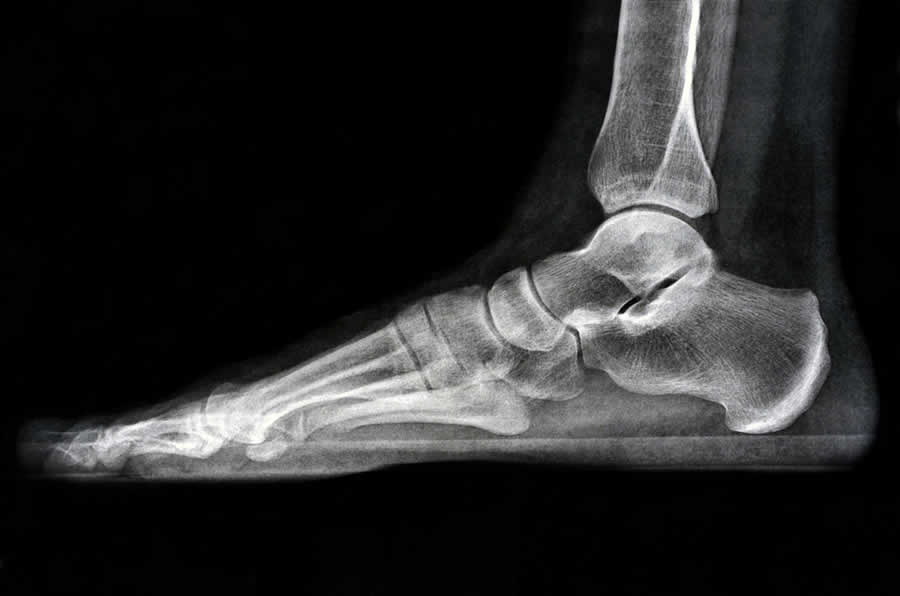

Common Biomechanical Issues and Treatments
Overpronation: This occurs when the foot rolls inward excessively, which can lead to conditions such as flat feet, heel pain, and knee problems. Custom orthotics can help correct overpronation by providing the necessary support to the arches.
Supination: Also known as underpronation, supination occurs when the foot rolls outward, putting extra strain on the outer edge of the foot and leading to ankle sprains or shin splints. Orthotics or supportive footwear can help distribute pressure more evenly.
Gait Abnormalities: Irregular walking patterns can cause uneven wear and tear on the feet and legs, leading to pain and injury. Podiatrists may recommend physical therapy, custom orthotics, or specific exercises to improve gait.
Plantar Fasciitis: Poor biomechanics can contribute to plantar fasciitis, a condition characterised by pain in the heel due to inflammation of the plantar fascia. Treatment often includes orthotics, stretching exercises, and footwear adjustments.
Achilles Tendonitis: This condition, involving inflammation of the Achilles tendon, is often exacerbated by biomechanical issues such as flat feet or high arches. Treatment may involve orthotics, physical therapy, and changes in footwear.
The Importance of Early Intervention
Addressing biomechanical issues early is essential for preventing more serious problems down the line. By correcting foot mechanics, podiatrists can help patients avoid chronic pain, improve their overall mobility, and enhance their quality of life.
Podiatrists play a key role in diagnosing and treating biomechanical issues, using tools like gait analysis, custom orthotics, and tailored exercise programs.
Whether you’re an athlete dealing with sports injuries or someone experiencing everyday discomfort, understanding and addressing your foot biomechanics is crucial to maintaining your overall health and well-being.
If you’re experiencing foot pain or discomfort, consulting with a podiatrist specialising in biomechanics can help identify the cause and provide effective treatment options.